


Available to buy here:
Welcome back to “Pet sacular,” the place where we dive deep into products that make your home smarter, more efficient, and ultimately more comfortable for your pets. Today, we’re exploring the Google Nest Temperature Sensor, a device designed to work seamlessly with Nest Learning Thermostats and Nest Thermostat E. But, does it truly live up to the hype? Let’s find out.
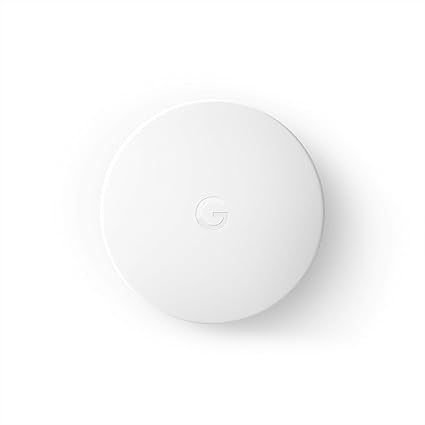
The Google Nest Temperature Sensor offers a straightforward solution for homeowners looking to fine-tune the temperature in different rooms. It’s compatible with select Nest thermostats, including the 3rd Gen Nest Learning Thermostat and Nest Thermostat E. The sensor uses Bluetooth Low Energy to connect wirelessly and has a range of up to 50 feet, making it flexible enough to place anywhere in your home. It runs on a CR2 3V lithium battery, which is included in the box, and promises up to two years of use before needing a replacement. The setup is simple—whether you choose to mount it on the wall or place it on a shelf, you can have it up and running in no time.
When it comes to real-world use, the Nest Temperature Sensor proves its worth, especially for controlling the temperature in specific areas. For instance, I placed one in my living room and another in my office, and the system accurately adjusted the temperature based on the readings from each sensor. The integration with the Nest thermostat is smooth—once the sensors are added to the Nest app, you can easily set up a schedule and even prioritize certain rooms. It’s a game-changer for ensuring the ideal temperature in areas like the baby’s room or any space that might need a little extra attention. However, one limitation is the lack of advanced customization options. You can only control the sensor via the Nest app, which means it might not be as versatile as other smart home devices if you prefer a more hands-on approach.
Now, let’s talk about the pros and cons. On the plus side, the Nest Temperature Sensor is incredibly easy to set up, and its battery life is outstanding. Two years of battery life is impressive for a smart home device, and the wireless connectivity allows for flexible placement around the house. The overall design is minimalist, allowing it to blend seamlessly into almost any room. However, on the downside, if you’re using multiple sensors, it might become a bit cumbersome to keep track of them all via the app. Also, while the device offers a solid range, it doesn’t provide much in terms of fine-tuned temperature adjustments, which might be a downside for those seeking a more sophisticated control system.
When it comes to value for money, the Nest Temperature Sensor does offer solid performance, but it’s important to weigh whether the price is justified by the relatively simple functionality. At its price point, it’s not the cheapest sensor out there, but it integrates seamlessly with Nest thermostats, which could make it an attractive option if you’re already in the Google ecosystem. The two-year battery life also adds to the value, minimizing the need for constant maintenance.
For comparison, there are other smart home temperature sensors available that offer similar functions at a lower price. Some options come with broader compatibility or additional features like humidity monitoring. But, if you’re already invested in Nest products, this sensor is an excellent addition for easy integration and basic room-by-room temperature control.
Regarding build quality and longevity, the Nest Temperature Sensor is made of durable materials. While long-term testing data is limited, the materials used feel premium and should hold up well over time. Given the battery longevity, it’s clear that Google has crafted a device designed to last and be as hassle-free as possible.
As for customer support, I didn’t have any direct interactions with Google’s support team, but given the company’s reputation for quality service, it’s safe to say that assistance is readily available should the need arise. If you need help with setup or troubleshooting, you can expect solid support.
Finally, if you’re considering alternatives, there are cheaper temperature sensors that still provide decent functionality. Options like the ecobee SmartSensor offer similar features but at a lower cost. However, if you already have a Nest thermostat and want something that’s plug-and-play, this sensor is a good match.
In conclusion, the Google Nest Temperature Sensor is a great addition to a smart home, especially for those already using Nest thermostats. It’s easy to set up, integrates well with the Nest ecosystem, and has a long-lasting battery. Its value depends on your existing smart home setup, but if you’re looking for an efficient, no-fuss way to monitor room temperatures, this sensor is worth considering.
If this review was useful to you, make sure to like, subscribe, and press the bell icon so other smart home enthusiasts can find this video as well!
Thanks for tuning in to “Pet sacular.” You can find the link to the product in the comments box below. If you have any questions or if you already own the Google Nest Temperature Sensor, drop a comment—we’d love to hear your thoughts. Until next time, keep your home cool, calm, and smart with Pet sacular!
Available to buy here: