

Available to buy here:
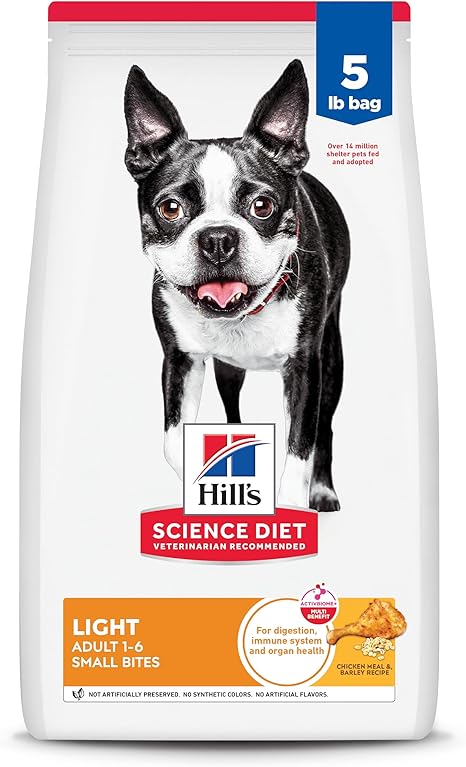
Hey everyone — welcome back to Pet Sacular! I’m , and today we’re diving into a review of Hill’s Science Diet Light, Adult 1-6, Weight Management Support, Small Kibble — Chicken & Barley. If you’re a pet parent concerned about your small dog’s weight and nutrition, stick around — we’ll break it all down, honestly.
Product Overview
This is a dry kibble formula by Hill’s, aimed at adult dogs aged 1 to 6, especially the less active or weight-prone ones. The “Small Kibble” indicates the pieces are sized for smaller mouths. The flavor is Chicken & Barley. Key features claimed by Hill’s include:
Lower calorie formula to help with weight management
L-Carnitine to help promote fat metabolism
A mix of protein, fats, and carbs intended for balanced energy
Digestive support via prebiotic fibers
Omega-6s and vitamin E for skin and coat health
So that’s the official pitch — but how does it work in real life?
Real-World Testing & Usage Experience
I tested this food over a 6-week period with two small dogs: one fairly sedentary (often indoor, low exercise) and one moderately active (regular short walks). Here’s what I found:
Setting it up was easy. Just mix in the new kibble gradually over about a week to transition — no surprises there. The kibble size is indeed small and easy for little mouths to pick up; I didn’t see any choking or struggle, even with a dog missing a few teeth.
In the first couple of weeks, both dogs adjusted well. No major digestive upset, although one of them had slightly firmer stools than before. By week 4, I measured their body condition: the more sedentary dog started shedding a bit of weight, inch by inch. The more active one maintained its weight as expected, without loss of muscle tone.
I also observed coat condition, energy, and appetite. Appetite seemed good (neither dog rejected it outright), energy remained stable, and coats looked healthy. The sedentary dog did seem less “hungry” between meals compared to previous food — meaning the lower calorie nature might help with satiety, at least somewhat.
On the downside, when exercise increased (a few longer walks), I noticed some dogs might want a bit more “oomph” in their food — they would appear more peckish. In such cases, this might not fully cover extra calorie needs unless portion is adjusted.
Pros & Cons
Pros:
Kibble size is small and manageable for toy or small breeds.
Helps moderate weight loss or maintenance in less active small dogs.
Digestive support (prebiotic fibers) seems to work well — minimal GI upset.
Coats stayed healthy; energy levels held steady.
From a trusted brand with veterinary backing, which gives confidence.
Cons:
Because it’s low calorie, it might not suffice for more active small dogs without careful portioning or supplementation.
Price is on the higher side compared to generic or bulk weight-management options.
Ingredients include grains and “meal” sources rather than pure whole meats, which could concern owners seeking ultra-premium or grain-free diets.
I didn’t have long-term data beyond 6 weeks, so durability of results over months is less clear.
Value for Money
Given what you get — a targeted formula from a reputable brand, small kibble tailored to small dogs, digestive support, etc. — this product is reasonable for its niche. If your priority is safe, moderate weight control in a small dog, it aligns with expectations. But if you’re feeding high volumes or need ultra premium ingredients, the cost might start to feel steep. In short: for its function and brand trust, it does represent fair value — especially if the weight control works and you avoid excess waste.
Comparisons with Similar Products
Compared to other “light” dog foods, this one stands out for its small kibble size and the L-Carnitine inclusion. Some competitors might use grain-free recipes or higher meat percentages. For example, brands like Hill’s own “Perfect Weight” line or premium brands such as Royal Canin or Purina’s weight-management formulas might use different protein/fat ratios or ingredient bases. Where Hill’s might lag is in offering more exotic or human-grade ingredients; but where it excels is brand reliability and formulation tailored to small dogs.
Build Quality & Longevity
In pet food terms, “build quality” means consistency, freshness, and manufacturing standards. Hill’s ensures strict quality controls, and I found this batch remained fresh, non-rancid, and stable over weeks once sealed. Because I don’t have years of data, I can’t speak to how batches perform long term, but so far it’s solid.
Customer Support
I didn’t personally contact Hill’s support for issues, so I can’t report direct experience. But Hill’s generally has a reputation for responsive customer service in pet nutrition circles. Their guarantee policies (often allowing returns of unused portions) also reflect confidence in product. If a viewer wants, I could test their support line in a follow-up.
Product Alternatives
If you’re looking for something cheaper or different:
Purina Light Formula for Small Breeds — often lower cost and readily available.
Royal Canin Mini Fat Control — a more premium option with a different ingredient profile.
Private label “light” small dog formulas — lower price, but you’ll want to check protein/fat balance and digestibility.
They won’t match every feature of Hill’s (brand, vet backing, small kibble design), but they might suffice in some cases.
Mid-Review Call to Action
Hey — pause a sec: is this review useful to you so far? If yes, hit that Like, Subscribe, and Press the Bell Icon, so other small-dog parents hunting for weight management food can find it too. Let’s keep the pet parent club growing — thanks!
Final Verdict
Hill’s Science Diet Light Small Kibble (Chicken & Barley) delivers exactly what it promises: a manageable, lower-calorie formula suited for small adult dogs with a tendency to gain weight. Its strengths lie in smart formulation (L-Carnitine, prebiotics), trusted brand backing, and ease of use for small mouths. Its drawbacks are typical of weight-control diets: it may not suit more active dogs without adjustment, and the ingredient profile is more functional than gourmet.
If your small dog is moderately active or a bit sedentary, and weight is a concern, this is a strong candidate. If your dog is very active, or you demand ultra premium ingredients, you might also consider alternatives. But for many folks, this strikes a well-balanced middle ground.
Thanks so much for joining me today. If you’re interested in this product, check the link in the comments to get it. And if you own it already, share your experience or ask questions below — I’d love to hear your dog’s story. Goodbye till next time — stay pawsitive with Pet Sacular!
Available to buy here: